Google SERP Analyzer – Complete Guide to Analyzing Search Engine Results for Higher Rankings Understanding why certain pages rank at the top of Google is one of the most powerful SEO strategies. Instead of guessing what works, you can analyze…
Google SERP Analyzer – Complete Guide to Analyzing Search Engine Results for Higher Rankings
Understanding why certain pages rank at the top of Google is one of the most powerful SEO strategies. Instead of guessing what works, you can analyze the Search Engine Results Page (SERP) and build a data-driven strategy.
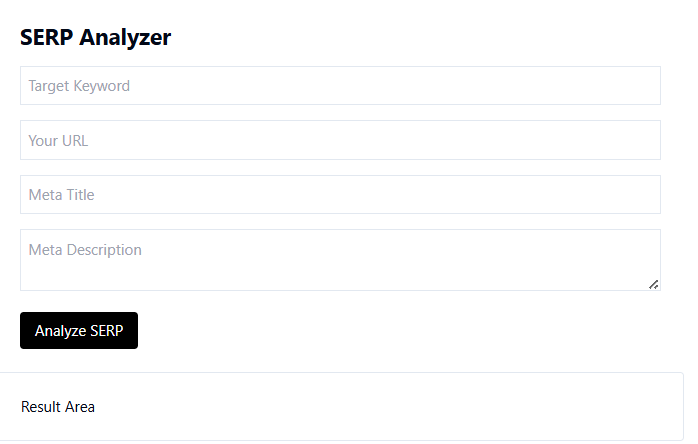
The Google SERP Analyzer Tool from TaskHug helps you evaluate search result pages for specific keywords and uncover ranking patterns, competition strength, and content opportunities.
Tool URL:
http://taskhug.com/tools/seo-tools/serp-analyzer
This guide explains what SERP analysis is, why it matters, and how to use the tool effectively to improve your rankings.
What Is a Google SERP Analyzer?
A SERP Analyzer evaluates the top-ranking pages in Google for a specific keyword. It helps you understand:
- Who is ranking
- Why they are ranking
- Content depth and structure
- Domain authority strength
- Search intent alignment
- Featured snippet presence
- SERP features (FAQ, video, images, etc.)
Instead of optimizing blindly, SERP analysis allows you to reverse-engineer top-ranking content.
Why SERP Analysis Is Important for SEO
Analyzing search results helps you:
- Understand search intent
- Identify content gaps
- Evaluate competitor strength
- Determine keyword difficulty
- Spot featured snippet opportunities
- Build better content strategies
If you want to rank on page one, you must understand what already exists there.
How to Use the Google SERP Analyzer (Step-by-Step)
Access the tool here:
http://taskhug.com/tools/seo-tools/serp-analyzer
Follow these structured steps:
Step 1: Open the Google SERP Analyzer Tool
Visit the TaskHug SERP Analyzer page in your browser.
Step 2: Enter Target Keyword
Input the keyword you want to analyze.
Example:
- best SEO tools
- website audit checklist
- how to rank on Google
- digital marketing strategies
Choose keywords aligned with your content goals.
Step 3: Select Target Location (If Available)
If the tool allows geographic selection, choose the country or region relevant to your audience.
Search results may vary by location.
Step 4: Start SERP Analysis
Click the “Analyze SERP” or “Search” button.
The tool will fetch and evaluate the top-ranking results for your selected keyword.
Step 5: Review SERP Data
The analysis may include:
- Top-ranking URLs
- Title tags and meta descriptions
- Domain authority signals
- Content type (blog, product page, video)
- SERP features (featured snippet, FAQs, local pack)
- Estimated competition level
Carefully observe ranking patterns.
Step 6: Identify Ranking Patterns
Look for:
- Average content length
- Common keyword variations
- Use of structured headings
- Presence of FAQs
- Media usage (images, videos)
- Internal linking patterns
These insights guide your content creation strategy.
Step 7: Build a Data-Driven Content Plan
Based on analysis:
- Create deeper, more valuable content
- Align with search intent
- Optimize titles and meta descriptions
- Add structured data
- Improve internal linking
Re-analyze periodically to monitor SERP changes.
Professional SERP Analysis Framework
To maximize SEO benefits, follow this structured framework:
1. Analyze Search Intent
Determine whether the keyword intent is:
- Informational
- Navigational
- Transactional
- Commercial investigation
Your content must match search intent to rank.
2. Evaluate Competitor Authority
Assess the strength of top-ranking domains.
Use:
- Domain Authority Checker
- Backlink Checker
to compare your website’s authority against competitors.
3. Study Content Depth
Check:
- Word count
- Heading structure
- Keyword placement
- Content comprehensiveness
- Use of FAQs
You can optimize your own content using the Keyword Density Checker and Meta Tag Generator.
4. Identify Featured Snippet Opportunities
Look for:
- Paragraph snippets
- List snippets
- Table snippets
Structure your content to directly answer common search queries.
5. Evaluate Technical Strength
High-ranking pages are often:
- Fast-loading
- Mobile-friendly
- Properly indexed
- Structured with schema markup
Improve your technical SEO using:
- Website Page Speed Checker
- Schema Markup Generator
- Google Index Checker
Internal Linking Strategy for TaskHug
To build strong topical authority, integrate the Google SERP Analyzer with other TaskHug SEO tools.
Primary Tool:
- Google SERP Analyzer
Supporting Tools:
- Full SEO Audit Tool
- SEO Competitor Analysis Tool
- Google Rank Tracker
- Website Health Checker
- Broken Link Checker
- Schema Markup Generator
- Keyword Density Checker
- Meta Tag Generator
- Backlink Checker
- Domain Authority Checker
- Sitemap Generator
- Google Index Checker
- Website Page Speed Checker
- YouTube SEO Optimizer
Use contextual anchor phrases such as:
- analyze search results
- perform full SEO audit
- check website health
- track keyword rankings
- improve technical SEO
- generate structured data
- analyze competitor strategy
This strengthens internal linking structure and improves search engine crawl efficiency.
Who Should Use the Google SERP Analyzer?
This tool is ideal for:
- SEO professionals
- Content marketers
- Bloggers
- Digital marketing agencies
- eCommerce businesses
- Affiliate marketers
- Startup founders
- Website owners
Anyone aiming to rank higher for competitive keywords should conduct SERP analysis before publishing content.
Advanced SERP Growth Strategy
To improve rankings effectively:
- Analyze SERP before creating content.
- Match search intent precisely.
- Create content more comprehensive than top competitors.
- Add FAQ sections for snippet opportunities.
- Strengthen internal linking.
- Improve technical performance.
- Track ranking improvements using a rank tracking tool.
- Re-analyze SERP quarterly to adjust strategy.
SEO is dynamic; SERP landscapes change regularly.
Conclusion
The TaskHug Google SERP Analyzer provides a structured approach to understanding search engine result pages.
It helps you:
- Identify ranking competitors
- Analyze search intent
- Detect content gaps
- Evaluate competition strength
- Build smarter SEO strategies
Start analyzing your target keywords today:
http://taskhug.com/tools/seo-tools/serp-analyzer
When combined with other TaskHug SEO tools, SERP analysis becomes a powerful foundation for long-term organic growth.